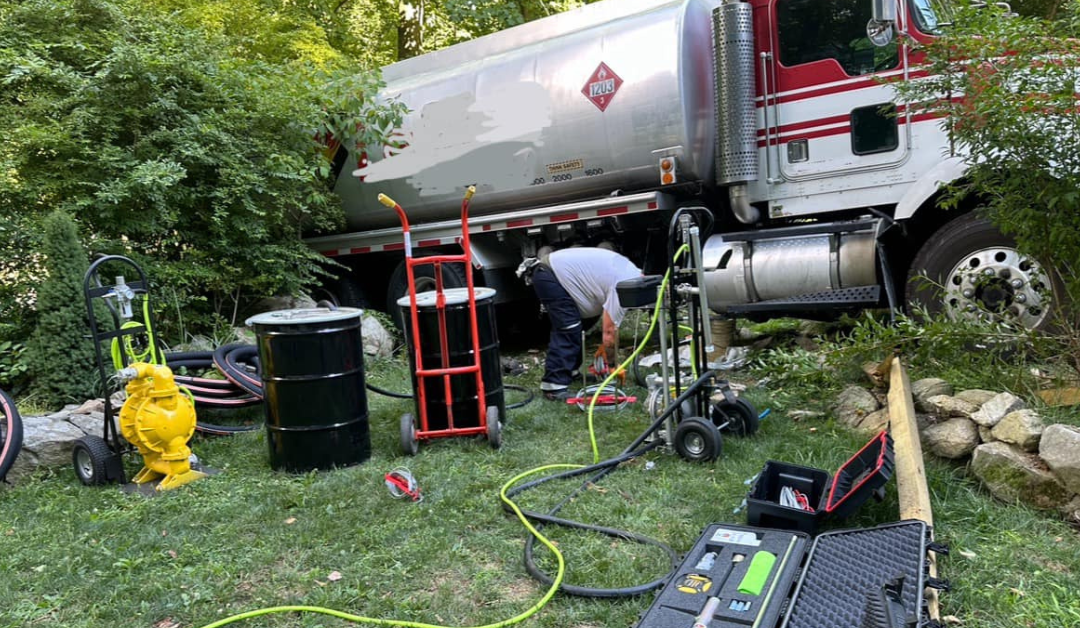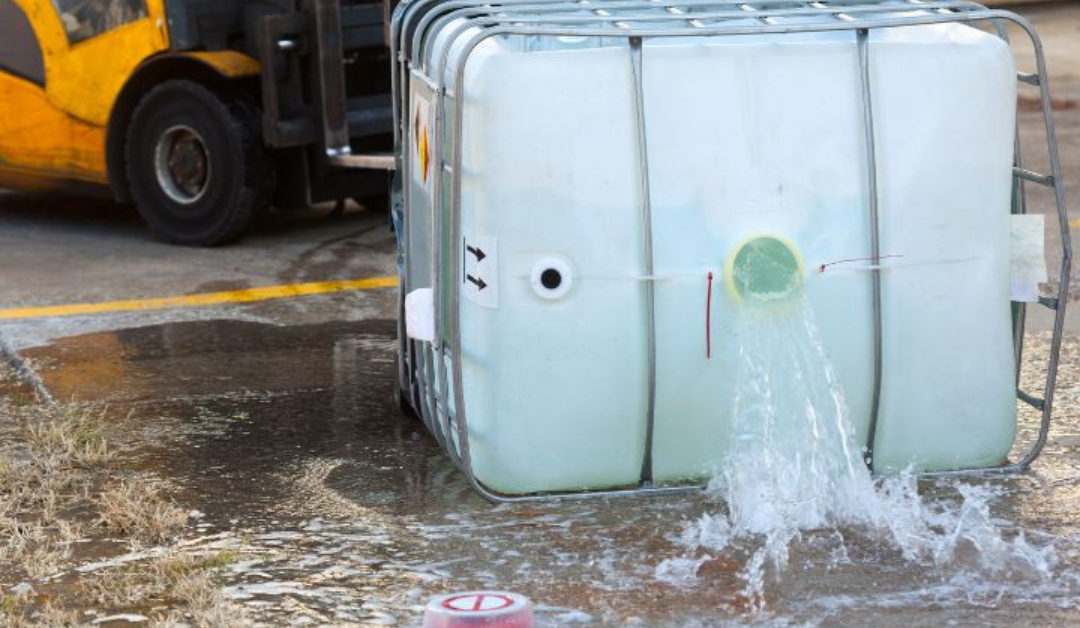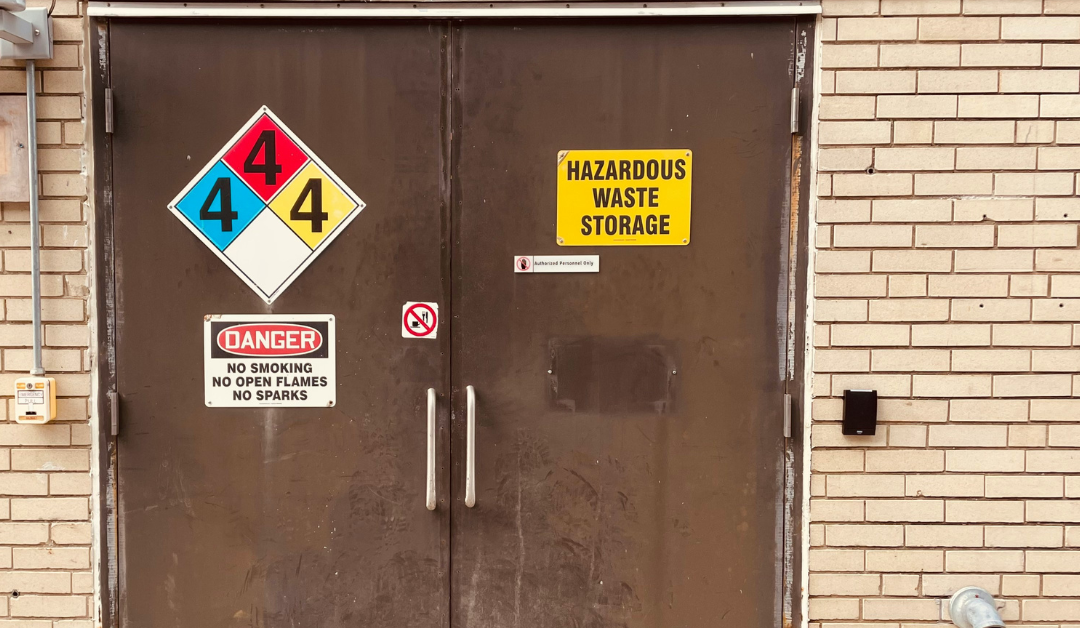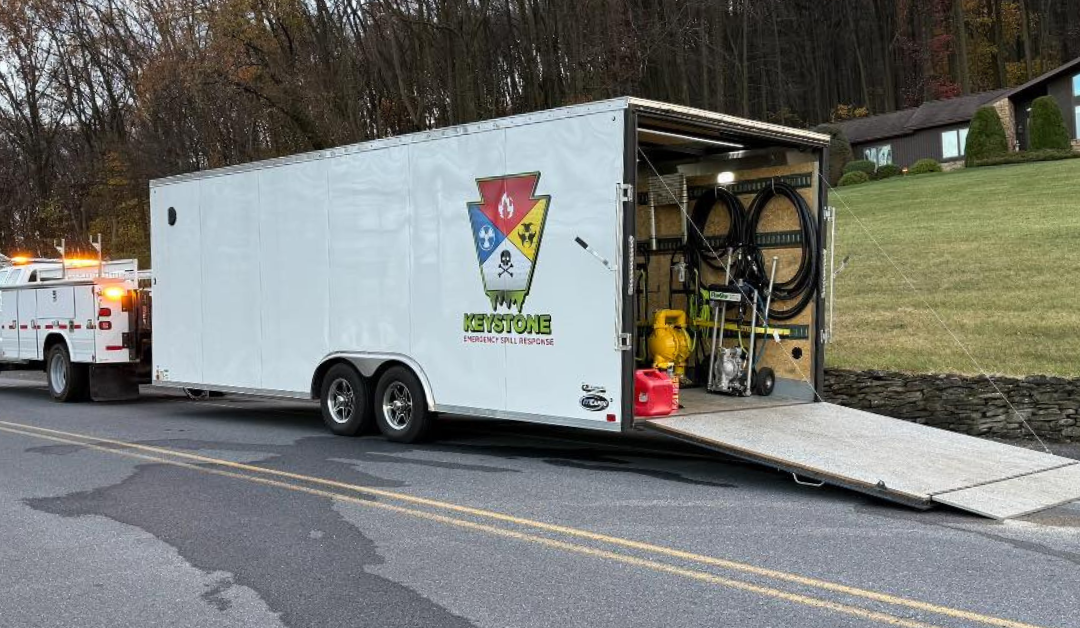
Any business or organization that handles, stores, or transports hazardous materials like chemicals, oils, or other dangerous goods must have a detailed emergency spill response plan. This vital document outlines clear instructions and procedures for responding effectively to hazardous material spills or releases.
What Is An Emergency Spill Response Plan?
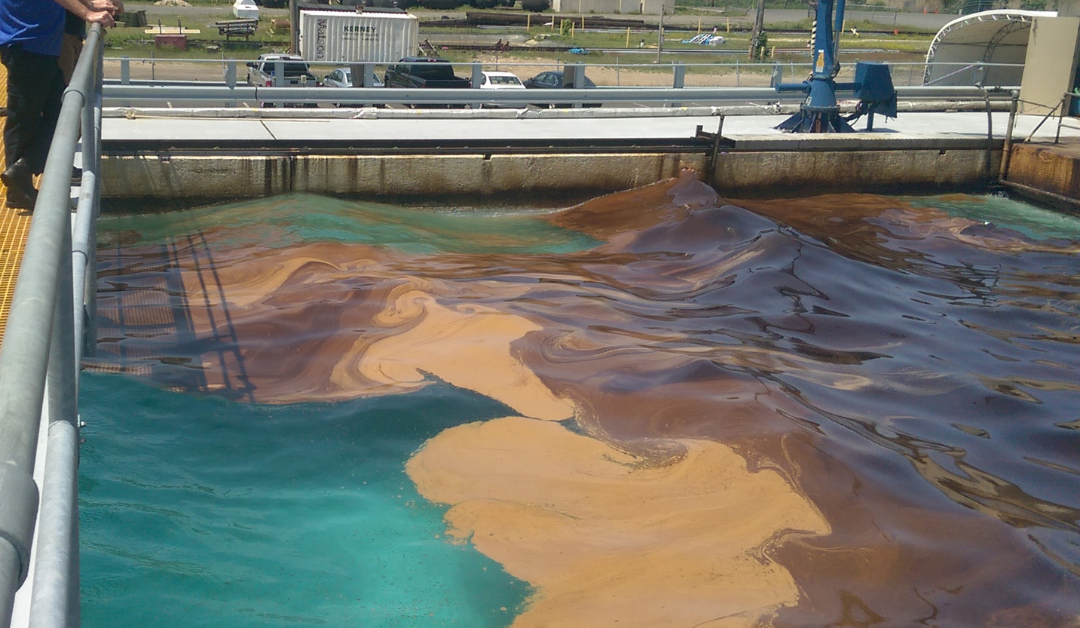
An emergency spill response plan actively guides immediate actions to contain, control, and clean up spills safely. It minimizes the impact on human health, the environment, and property by providing a comprehensive set of response measures. Organizations develop these plans to take a proactive stance against the potential risks associated with handling hazardous substances.
The main purpose of an Emergency Spill Response Plan is to minimize or mitigate the effects of a spill on human health, the environment, and property. By implementing an emergency spill response plan, businesses demonstrate their commitment to protecting their employees, the surrounding community, and the environment from the harmful effects of accidental releases or spills. The plan serves as a crucial tool for mitigating the consequences of such incidents and ensuring compliance with relevant regulations.
Industries That Benefit From A Response Plan
Most of these industries handle hazardous materials, and emergency spill response plans are crucial:
Manufacturing: Industries that manufacture or use chemicals, paints, solvents, or other hazardous substances for their manufacturing processes.
Transportation: Companies that transport hazardous materials, whether by road, rail, air, or sea.
Oil and Gas: the exploration, production, refining, and distribution of oil and gas products.
Construction: Sites where hazardous materials like asbestos, lead-based paints, or solvents are present.
Healthcare: Hospitals and facilities that handle medical wastes, radioactive materials, or hazardous chemicals for use in laboratories or treatment.
Agriculture: Farms and facilities that use pesticides, fertilizers, or other hazardous chemicals.
Having an effective Emergency Spill Response Plan in place can help industries comply with environmental regulations, protect employees and community members, and reduce the risk of costly cleanup efforts and legal liabilities.
Building Your Response Plan
An emergency spill response plan is a comprehensive process that includes several steps. Here’s a general outline to get you started:
Step 1: Identify Potential Spill Scenarios
Identify hazards and potential scenarios for spills or releases. Consider the quantities of materials, their locations of storage, transportation routes, and their likely sources of spills, which are leaks, accidents, or equipment failures.
Step 2: Conduct a Risk/Impact Analysis
Establish the severity of risk or impact for each of the spill scenarios identified. You should carefully consider the possible harm that can affect people, the environment, and property. This evaluation will help in focusing your response efforts and resources accordingly.
Step 3: Develop Emergency Response Procedures
Identify the specific response procedures for each potential spill scenario. These procedures should, at a minimum, contain actions to be taken for:
- Immediate notification and communication protocols
- Evacuation or shelter-in-place
- Containment and control of spills
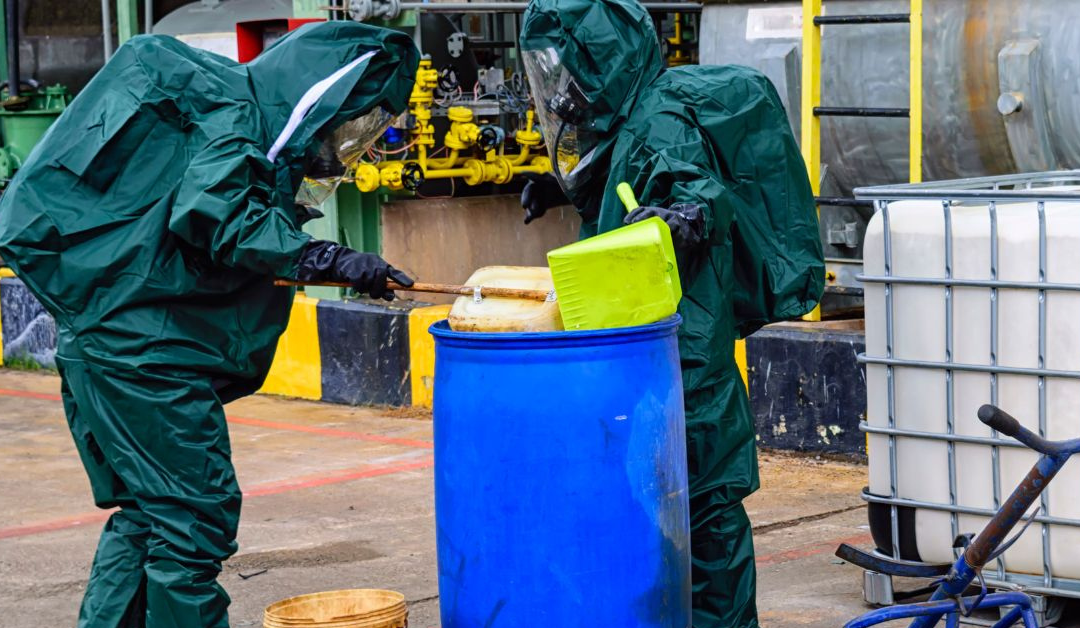
- Personal protective equipment (PPE) required
- Decontamination procedures
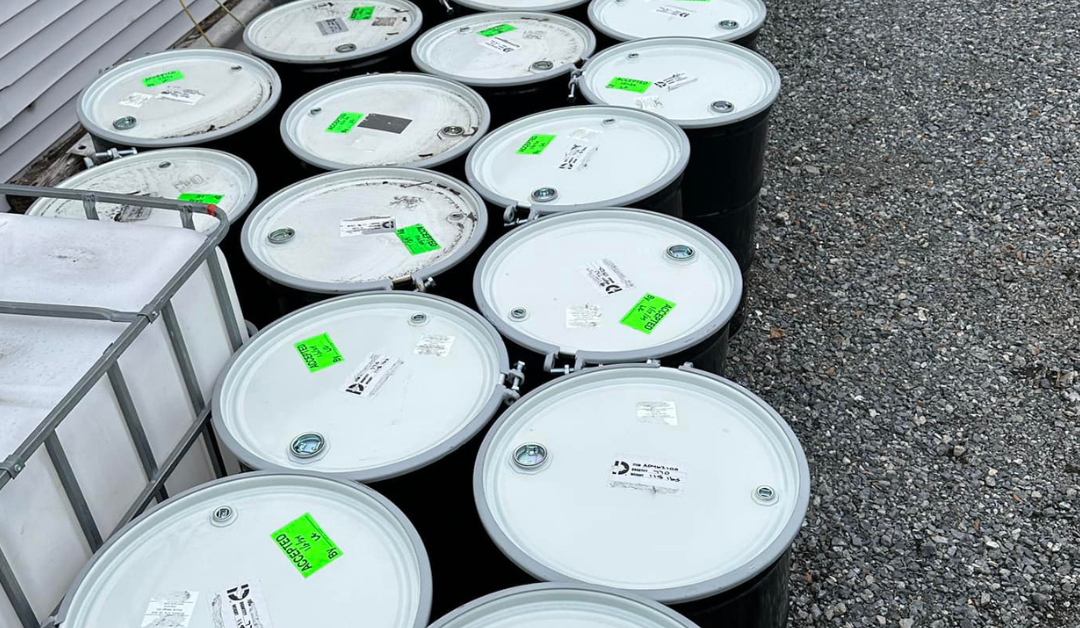
- Proper treatment, storage, transportation, and disposal of spills
Step 4: Assign Jobs and Responsibilities
Roles and responsibilities of persons involved in the emergency response to spills should be clearly outlined. A response team must be designated, consisting of a team leader, and each person should be informed of his or her specific duties and communication lines.
Step 5: Training and Equipment
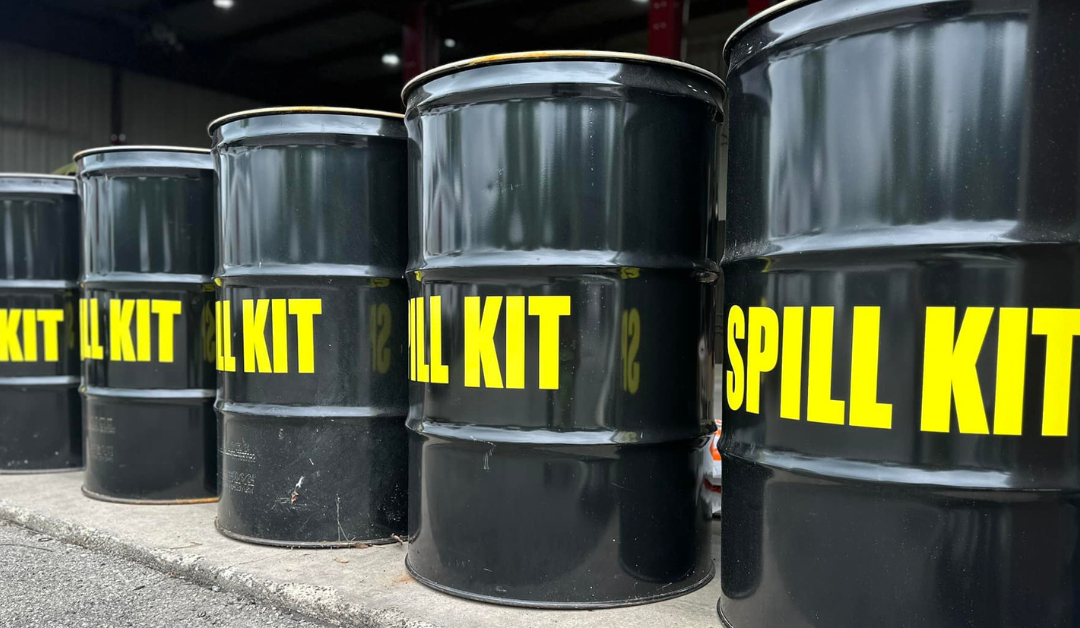
Train all persons in procedures, use of PPE, and safe handling of hazardous materials in response to an emergency. Access to resources like spill response kits, containment materials, and emergency equipment should be provided.
Step 6: Cooperation with External Agencies
Establish communication and coordination protocols with external agencies and organizations that may be called upon to respond to a major spill, such as local fire departments, emergency medical services, environmental agencies, and hazardous waste disposal contractors.
Step 7: Review and Revision
Periodically review and update the emergency spill response plan to ensure the procedures, materials, and equipment conform to the latest regulatory compliance standards and remain current. Conducting periodic drills or exercises to test the plan and identify areas for improvement is key in making sure the emergency response plan is up to date.
By making use of the above steps, you can easily develop an emergency spill response plan. One that will suit your particular needs and situations based on your industry. Keep in mind that a well-designed plan can mitigate the effects of a spill, protect your employees and the environment, and assure compliance with the relevant regulations.
Follow us on Facebook to stay up to date with the latest at Keystone Emergency Spill Response.